

A family law document checklist is a structured list of IDs, financials, parenting records, and court forms you gather before meetings, negotiations, or court. It standardizes disclosure, reduces delays, and helps your lawyer act fast. For Mississauga families meeting Naksar Law, this checklist keeps your file court‑ready from day one.
At a Glance
Use this family law document checklist to gather identification, income proofs, tax records, bank/credit statements, housing and childcare documents, and parenting logs. Bring originals and clean copies. Organize by labeled sections so your Mississauga family lawyer can review, strategize, and file forms without avoidable adjournments.
This complete guide is written for individuals and families in the Greater Toronto Area who want a clear, reliable plan. You will find step-by-step prep, quick triage for emergencies, and matter-specific lists for divorce, parenting, child support, spousal support, and property division.
- What you’ll learn
- Exactly what to bring for common Ontario family cases
- How to prepare forms and financial disclosure efficiently
- Organization tips that prevent delays and court returns
- How Naksar Law coordinates disclosure and filings in Mississauga
- Who this helps
- People starting or responding to a family case
- Parents arranging parenting time and decision-making responsibility
- Anyone addressing child or spousal support
- Spouses dividing property and debts
Jump to: What it is • Why it matters • How to prepare • Documents by case type • Best practices • Tools & resources • Examples • FAQ • Next steps
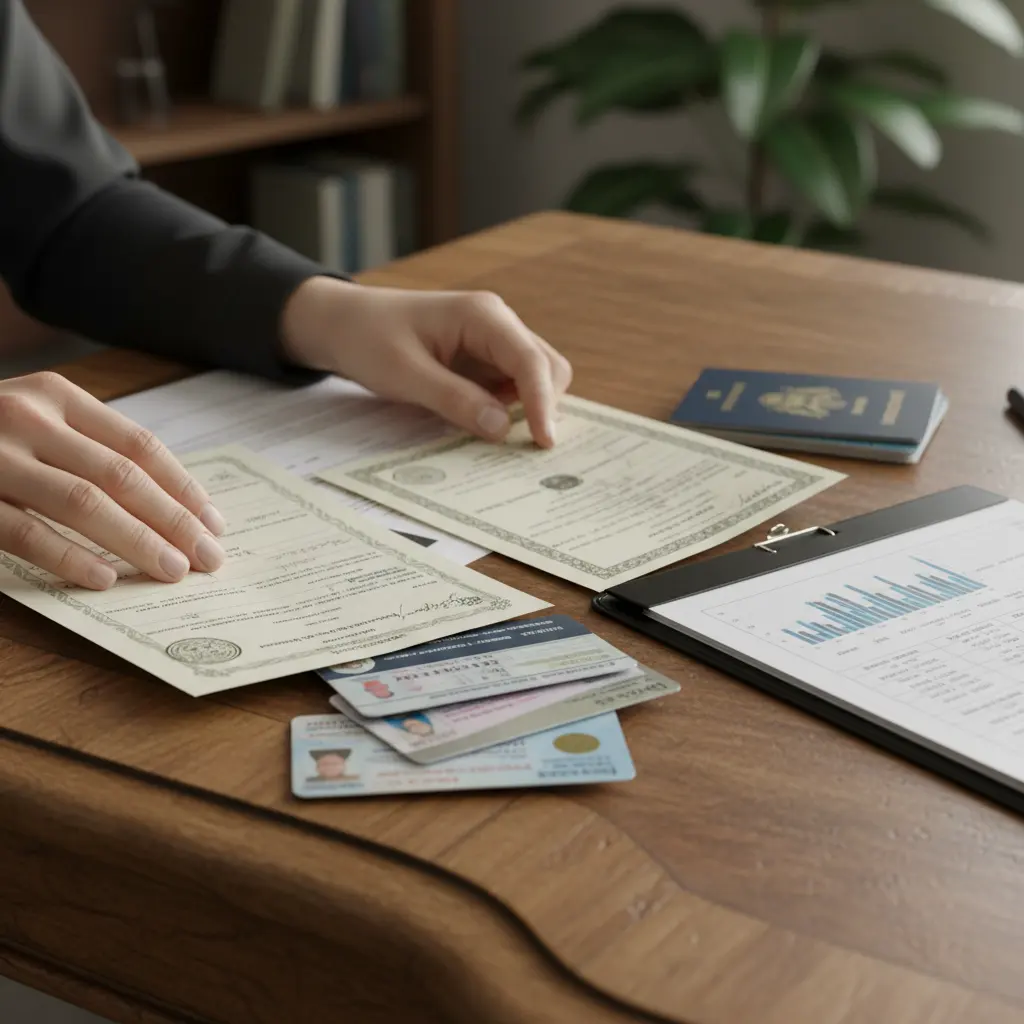
What is a family law document checklist?
A family law document checklist is a standardized packet of identity, financial, housing, and parenting records used to start and manage divorce, parenting, support, or property cases. It streamlines disclosure, supports sworn forms, and allows your lawyer to move quickly, negotiate credibly, and file accurately.
Practically, it’s the backbone of a well-run family matter. When you assemble core records early, you minimize follow-up emails, reduce misstatements, and avoid last-minute scrambles. At Naksar Law’s Mississauga office, we use this checklist to triage urgent issues, build timelines, and prepare filings without delays.
Local considerations for Mississauga
- Peak court periods and holidays can slow scheduling. Having your disclosure complete lets us grab earlier dates or avoid adjournments.
- Winter weather and traffic across the GTA can impact in-person signings. Keep digital scans ready so we can proceed remotely when possible.
- For multilingual households, bring English, Hindi, or Punjabi originals; we’ll discuss certified translations only where needed.
Why this checklist matters for Ontario family cases
Complete documents save time, prevent adjournments, and strengthen negotiation. In Ontario, support and property issues typically require sworn financial statements with three years of tax information. Organized disclosure improves credibility and helps your lawyer secure timely, realistic outcomes.
Well-prepared clients see faster movement and fewer surprises. Clean, labeled disclosure keeps meetings short and focused, and it signals good faith during settlement talks. For urgent matters, we prioritize safety, interim parenting schedules, and temporary support using the most persuasive records on hand.
How to prepare your documents step-by-step
Start with identification and income proofs, then add three years of tax records, current banking/credit statements, and housing and childcare verifications. Organize in folders, label consistently, and keep a digital mirror. This order supports accurate forms and efficient lawyer review.
Step-by-step prep sequence
- Collect identification
- Government photo ID for each party
- Birth certificates for you/children, marriage certificate (if applicable)
- Verify income
- Recent pay stubs and employment letter (if employed)
- Business financials if self-employed (invoices, profit-and-loss summaries)
- Compile tax records
- Personal tax returns for the last three years
- Notices of assessment or reassessment for the last three years
- Gather banking and credit
- Recent bank statements for active accounts
- Credit card statements showing balances and payments
- Document housing costs
- Lease or mortgage statement, property tax and utilities
- Insurance declarations (home/tenant)
- List childcare and parenting expenses
- Daycare invoices, extracurricular receipts, medical/dental benefits
- School schedules and childcare arrangements
- Capture parenting history
- Calendar of parenting time, exchanges, and appointments
- Messages related to parenting logistics (save screenshots)
- Note assets and debts
- Vehicle ownership and loans, RRSP/TFSA/RESP statements, pensions
- Student loans, lines of credit, personal loans
- Create an issues list
- What you want resolved now vs. later (e.g., interim support)
- Your top three practical goals for the next 90 days
- Prepare clean copies + digital mirror
- Label folders 01–10 to match this sequence
- Scan to PDF; name files "2026-05-Parenting-Calendar.pdf" style
Types of family matters and the documents to bring
Match your documents to your case type. For divorce, bring marriage details and property records. For parenting, bring schedules and school/health info. For support, bring income and childcare proofs. For property division, add valuations and debt statements. Organized evidence drives faster, stronger outcomes.
Quick comparison table
| Case Type | Must-Have Documents | Helpful Extras |
|---|---|---|
| Divorce / Separation |
|
|
| Parenting Time & Decision-Making |
|
|
| Child Support |
|
|
| Spousal Support |
|
|
| Property Division |
|
|
For separation agreements and domestic contracts, our Wills & Estates page covers related planning that often runs in parallel—powers of attorney, updated beneficiaries, and new wills.

Best practices for organizing and presenting disclosure
Label everything, keep a digital mirror, and separate “must-haves” from “nice-to-haves.” Use date-stamped filenames, redact sensitive numbers, and avoid message dumps. Clear, concise bundles save time and reduce return-for-correction risk during filings or conferences.
Organization that works
- One structure, two formats: A 10-folder paper binder with a matching 10-folder digital drive.
- File naming: YYYY-MM format + topic (e.g., 2026-04-Tax-Return-2025.pdf).
- Version control: Add v1, v2 only when content meaningfully changes.
Redaction and privacy
- Redact full SIN numbers and account numbers, leaving last four digits.
- Remove non-relevant pages to keep bundles focused and smaller.
- Disable location data on photos/screenshots before sharing.
Messaging evidence
- Extract key chats to dated PDFs rather than handing over entire threads.
- Context first: who, what, when; then include 3–10 representative messages.
- Keep tone factual; avoid commentary in filenames or annotations.
These habits shorten lawyer review and can prevent adjournments or rejected filings. They also make mediation and four-way meetings more efficient because everyone can find the same document quickly.
Tools and resources to speed preparation
Use a scanner app, cloud folders, and a simple labeling system. Keep a running issues list and a disclosure tracker. For legal guidance and coordination, work with a responsive local firm that can prepare forms and submissions efficiently.
- Our Family Law hub: See services, forms help, and disclosure tips on our Family Law page.
- Firm resources: Templates and checklists on our Resources page.
- FAQ library: Quick answers to common questions on our FAQs page.
- When disputes escalate: Enforcement or related disputes may engage our Civil Litigation team.
- About our approach: Learn how we work and communicate on our About page.
Document prep “buying” guide: simple tools that make a big difference
Pick durable folders, a mobile scanner app, and secure cloud storage. A labeler and sticky tabs speed retrieval. Small, reliable tools reduce lost time, prevent misfiles, and keep your disclosure current during fast-moving negotiations.
Core kit (recommended)
- Accordion folder with 10 sections (IDs, income, tax, banking, credit, housing, childcare, parenting, assets, debts)
- Scanner app with PDF export and date-stamp
- Sticky tabs and a basic labeler (or bold, legible handwriting)
- Cloud storage with two-factor authentication
Nice-to-have add-ons
- Portable document scanner for crisp multi-page PDFs
- Spreadsheet tracker for disclosure sent/received
- Shared calendar for parenting time and appointments
We’ve found that clients who adopt a simple kit stay calmer and make quicker, better decisions because the facts are always at their fingertips.
Frequently Asked Questions
Bring government ID, income proofs, three years of tax information, recent bank/credit statements, housing and childcare records, and a parenting calendar. Keep originals plus clean copies. If you lack something, start with what you have—your lawyer will prioritize the rest.
What should I bring to my first family law consultation?
Bring photo ID, a brief timeline of events, recent pay stubs, three years of tax returns and assessments, recent bank/credit statements, housing costs, and any parenting schedules or childcare receipts. If you can’t gather everything, share what you have—your lawyer will triage and list next steps.
Do I need three years of tax information for support issues?
It’s standard to prepare three years of tax returns and notices of assessment when child or spousal support is at issue. This history helps determine income more accurately, especially if pay varies or you’re self-employed.
How should I organize messages as evidence?
Export key conversations to dated PDFs and include a brief note identifying who, what, and when. Avoid handing over entire threads; choose representative messages that show logistics, commitments, or notable events clearly and respectfully.
Can I use digital copies instead of paper?
Yes. Keep original papers safe, but provide clean PDFs labeled by date and topic. Digital mirrors make remote review, redaction, and filing faster and help avoid weather or scheduling delays across the GTA.
What if a document is missing?
Start with what you have. Your lawyer can request replacements, use alternative proofs, or seek temporary orders with the strongest available evidence. Keep a running list of items outstanding and update it weekly.
Conclusion: Your next steps
Start with IDs, income, and three years of tax records. Add banking, housing, childcare, and parenting proof. Organize once, mirror digitally, and update weekly. This checklist turns uncertainty into clarity and helps your Mississauga lawyer move quickly and effectively.
Key takeaways
- Preparation drives outcomes—organized disclosure saves time and strengthens your case.
- Three years of tax information is standard when support/property are in play.
- Digital mirrors and clear labels prevent delays and lost documents.
- Start now with what you have; triage the rest with your lawyer.
Ready to move forward? Bring this family law document checklist to your consult at our Mississauga office. Visit the Naksar Law website to schedule a focused, practical discussion.